


Fibre is one of the most overlooked nutrients on your plate. Not because it’s hard to find – but because it rarely gets the spotlight. Protein is glorified. Carbs are debated. Fat has had its redemption arc. But fibre? Often forgotten.
This unassuming nutrient plays a central role in regulating metabolism, protecting the gut barrier, lowering inflammation, and reducing long-term disease risk. If you care about your energy, ageing, or immunity – fibre is not optional. It’s fundamental.
What is dietary fibre?
Surprisingly, dietary fibres are carbohydrates – but not the kind you need to cut back on. Unlike refined carbs, fibre supports your health in ways few nutrients can.
Dietary fibres are made up of plant-based compounds like cellulose, lignin, and resistant starches. These fibres contain long chains of carbohydrate units – ten or more – that resist breakdown by digestive enzymes. In the small intestine, fibre is neither digested nor absorbed. However, in the large intestine, it gets fermented, which renders fibre its beneficial properties.
Types of dietary fibre
Dietary fibre is not a single substance but a group of complex carbohydrates, each with unique structures and health effects. Understanding the types helps explain how they function in the body and why a varied fibre intake matters.
- Non-starch polysaccharides (NSPs)
- Resistant starches (RS)
- Resistant or non-digestible oligosaccharides (ROS)
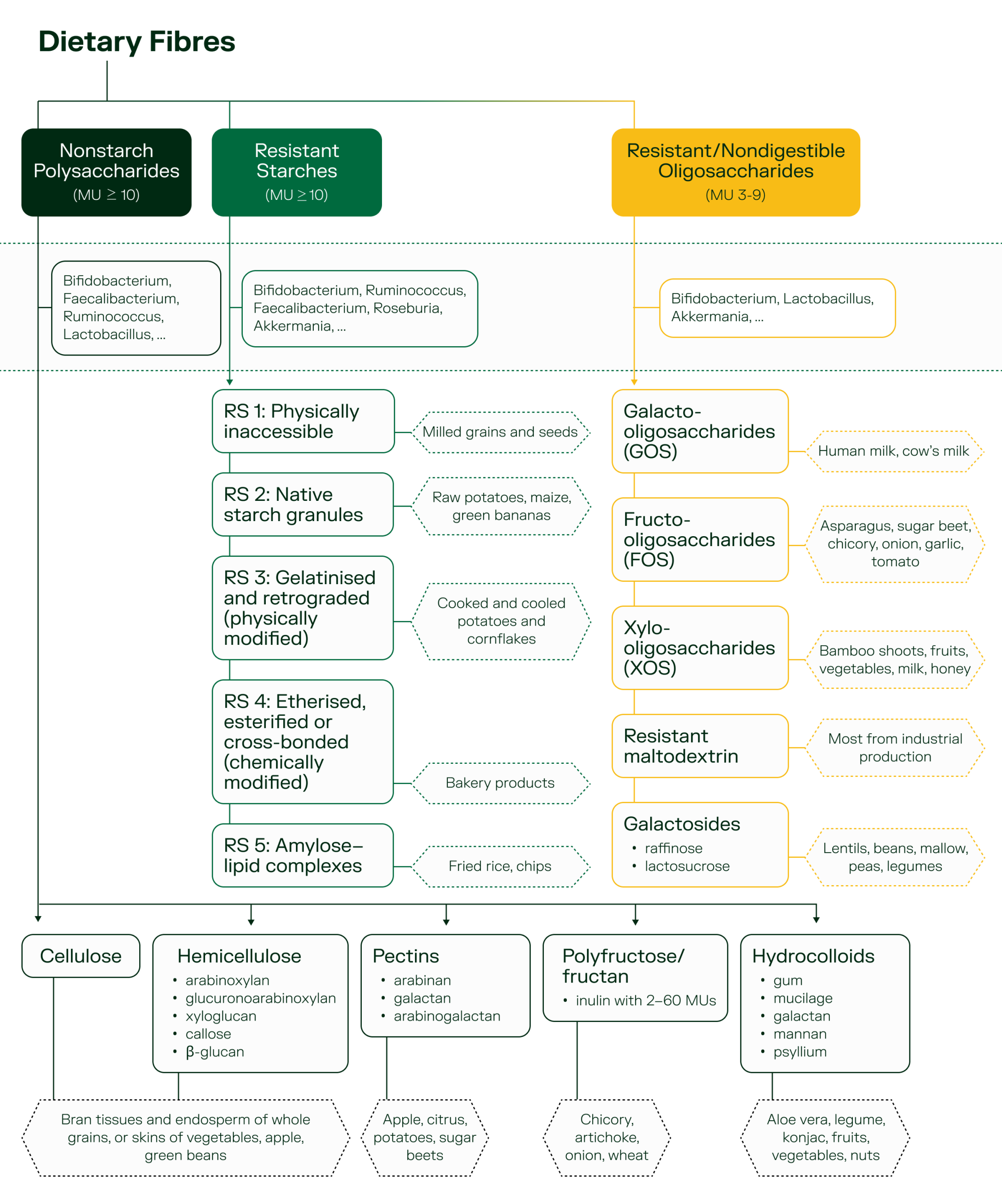
Soluble and insoluble fibre
Dietary fibres are classified into two types based on their interaction with water: soluble and insoluble.
Soluble fibre: Soluble fibres are easily broken down (fermented) by gut bacteria. It helps regulate the gut microbiota and is converted (metabolised) into short-chain fatty acids (SCFAs), which support digestion, metabolism and immune function. A regular intake of soluble fibre is linked to a reduced risk of gastrointestinal conditions including constipation, faecal incontinence, and colorectal cancer.
Insoluble fibre: Insoluble fibres consist of sugar chains that are linked by strong hydrogen bonds, making it hydrophobic and insoluble. Most insoluble fibre passes through the gut largely unchanged, helping to bulk up stool and promote regular bowel movements. It is either not used or only slowly fermented by gut microbes.
The functionality of fibre depends on:
- Fermentability (ability of the gut microbes to ferment fibre)
- Viscosity (ability of the fibre to form gels affecting digestion rate)
- Water-holding capacity (helps with bowel regularity)
What happens when you eat fibre?
Dietary fibres are not digested in the upper gastrointestinal tract. Instead they are fermented by specific gut bacteria, present in the large intestine. The process depends on the fibre’s size, solubility, viscosity, and other chemical properties. It’s a precise, selective mechanism guided by microbial diversity and function.
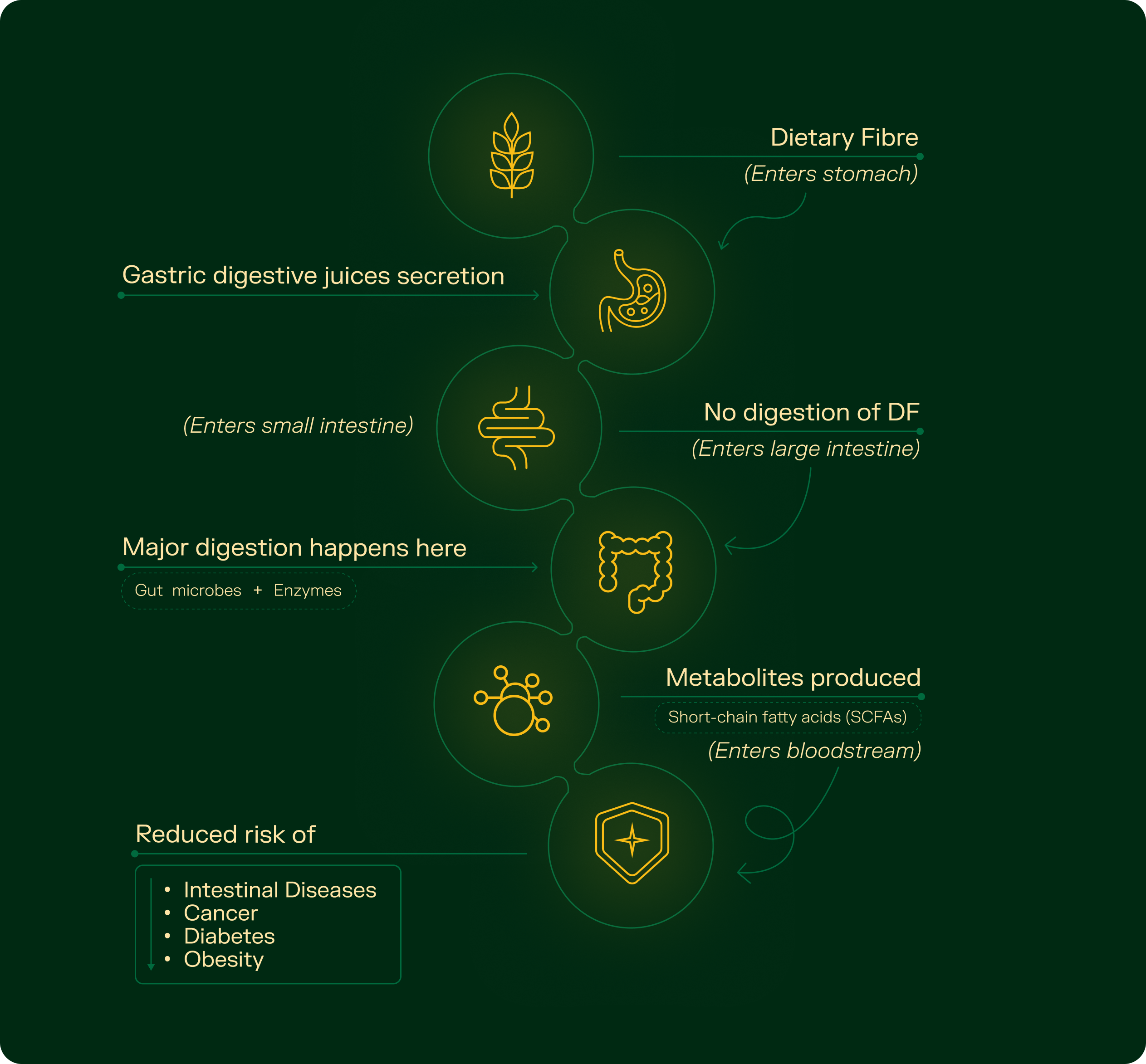
The passage of dietary fibre through the digestive system involves its fermentation, modulation of gut microbiota, and contributions to overall human health. (He et al., 2021)
The breakdown of dietary fibre in the gut depends on the specific microbes that produce carbohydrate-active enzymes – glycoside hydrolases (GHs) and polysaccharide lyases (PLs). These enzymes are not found in humans. Interestingly, the process can be collaborative: the byproducts broken down by one strain of bacteria can serve as substrates for other microbes, enabling further degradation. During this microbial activity, several metabolites are released, including gases, lactate, succinate, and SCFAs.
The most abundant SCFAs produced in the gut are acetate, propionate, and butyrate. These serve as key energy sources for gut mucosal cells. Once absorbed into the bloodstream, SCFAs play vital regulatory roles across the body. They help maintain metabolic homeostasis, support immune function, preserve the integrity of the intestinal barrier, and influence neurobiology and skeletal health. They also suppress inflammation and reduce the risk of carcinogenesis.
The many benefits of fibre
Despite being non-digestible and non-absorbable, its benefits are far reaching. The most common one is that it supports gut motility and helps prevent or manage constipation. Fibre’s impact goes beyond digestion. It influences multiple systems including gut microbiota, cardiovascular health, and metabolic function – helping to prevent or manage conditions such as chronic inflammation and diabetes.
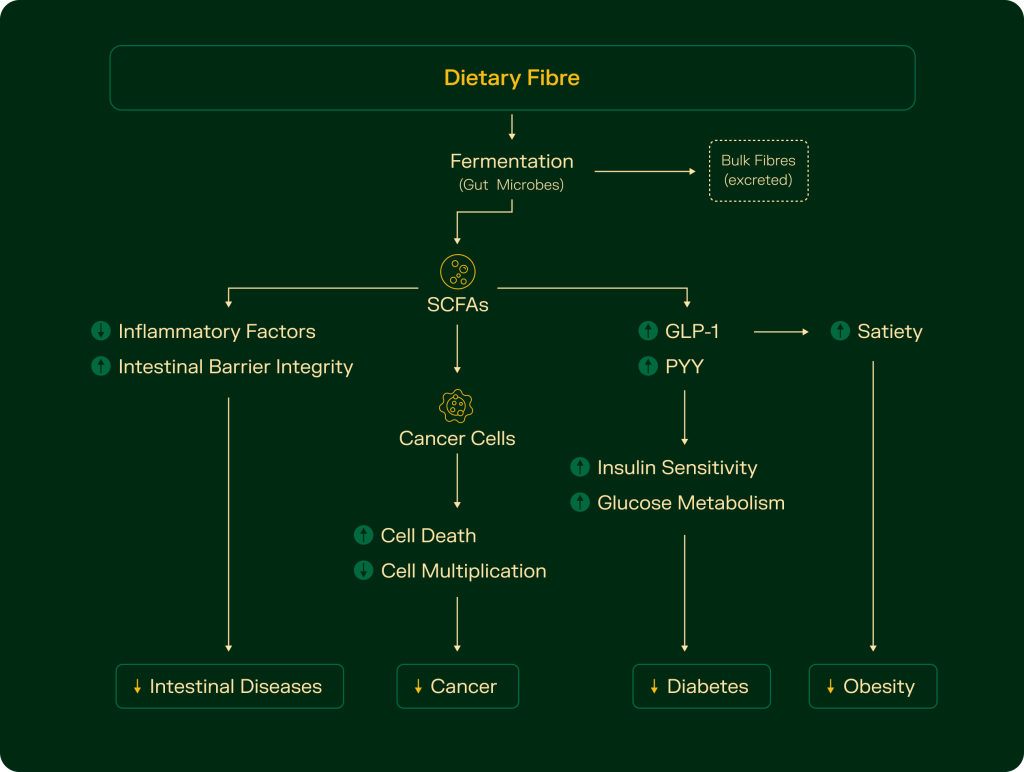
Body weight and abdominal fat
Fibre increases satiety or the feeling of fullness. This plays a key role in obesity management. A high fibre diet increases satiety, the physiological signal to reduce energy intake. But what really gives fibre this regulatory power?
Soluble fibres slow down digestion by delaying nutrient absorption and extending the feeling of fullness. But more importantly, fibre undergoes microbial fermentation in the colon, producing SCFAs. These SCFAs stimulate the secretion of key metabolic hormones – GLP-1 (glucagon-like peptide-1) and PYY (peptide YY). GLP-1 enhances insulin secretion, promotes pancreatic cell growth, and regulates glycogen synthesis in muscle cells, all of which contribute to improved satiety and metabolic control. PYY, secreted in the intestine, suppresses appetite and reduces overall food intake, making it a powerful anti-obesity signal.
Insulin sensitivity, diabetes and metabolic health
Diets high in dietary fibre, especially cereal fibres (HCF) have been consistently linked to improved insulin sensitivity when compared to high-protein diets. In particular, increasing the fibre to carbohydrate ratio significantly reduces HbA1c levels, a long-term marker of blood sugar control.
Several mechanisms explain how fibre supports metabolic regulation:
- Its network structure acts as a physical barrier in the gut, slowing the absorption of glucose into the bloodstream.
- By slowing down gastric emptying, viscous fibres give the body more time to respond to rising glucose levels, making insulin more effective in regulating blood sugar.
- Through fermentation, the gut microbiota produces SCFAs stimulating the secretion of GLP-1 and PYY peptides. These enhance insulin secretion and help maintain stable glucose levels.
Consistently consuming soluble fibre not only improves glycaemic control, but also has beneficial effects on lipid profiles – further supporting metabolic health.
Gut microbiota and metabolites
Over 100 trillion microbes can be found inhabiting the gut. These microbes influence several processes, from immune development to metabolic signalling, appetitive pathways, and even neurocognitive function. One of the most direct ways to support a healthy gut microbiome is through adequate dietary fibre intake. In vivo, fibre fermentation increases the growth of beneficial bacteria while inhibiting the proliferation of potentially harmful strains, creating a more resilient and disease-resistant gut environment.
In a study conducted on mouse models, chronic fibre deficiency led to a concerning adaptation: microbes began degrading host-secreted mucus glycoproteins as a fallback nutrient source, resulting in erosion of the colonic mucus barrier. This suggests that even in humans, fibre may help maintain the integrity of the intestinal barrier and protects colonic health.
In addition to sharing the microbial community, fibre directly supports the production of key metabolites like SCFAs. These SCFAs enter the blood stream, where they influence lipid metabolism, blood glucose regulation, and cholesterol balance.
Chronic inflammation
Inflammation, especially chronic inflammation forms the basis for many non-communicable diseases – cardiovascular disease, arthritis, and metabolic dysfunction. Butyrate, a product of fermented soluble fiber, produced by the gut microbiome offers protection against many diseases, including chronic inflammation. Dietary fibre intake reduces the risk of gastrointestinal inflammatory diseases. Its effects extend beyond gastrointestinal health, helping to lower inflammatory markers and reduce systemic inflammation.
Cardiovascular disease
When used alongside cardioprotective medication, dietary fibre can reduce mortality risk in individuals with cardiovascular disease and hypertension. This benefit is more pronounced with higher fibre intake compared to lower intake levels.
Increased fibre consumption also reduces cardiometabolic risk factors – though this is largely due to its impact on interconnected conditions such as high cholesterol, chronic inflammation, and obesity.
Dietary fibre and cancer
It is believed that lifestyle, especially eating habits can have an influence on cancer.
- Some dietary fibre can increase stool volume and accelerate defecation time, thus reducing the concentration of carcinogens in the intestine.
- Dietary fibre can also reduce the concentration of circulating hormones and increase excretion. The prevention mechanism of ovarian cancer and breast cancer is mainly to inhibit the secretion of hormones and reduce the bioavailability of hormones.
- Butyrate, a type of SCFA, can inhibit histone deacetylase and related signalling pathways in cultured cancer cells, and promote cancer cell apoptosis.
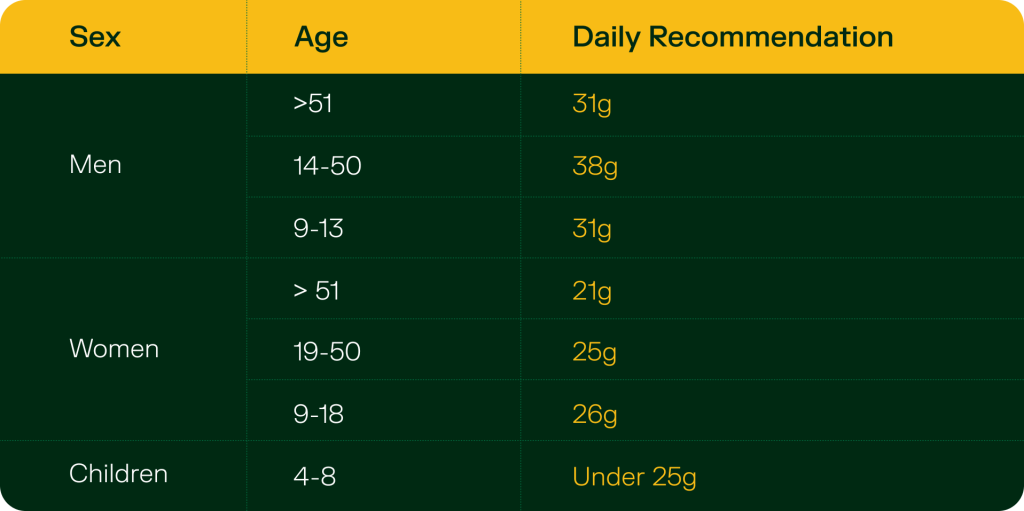
Daily dietary fibre recommendations and sources
Below are the age and sex specific fibre goals to aim for each day.
Sources of dietary fibre

Simple ways to add more fibre to your diet
Make sure that every meal includes at least a few fibre sources – whether it’s whole grains, legumes, seeds, or plant-based ingredients.
- Choose whole grains over refined options – brown rice, oats, millet, and quinoa are all excellent sources.
- Include fibre-rich fruits such as avocado, pears, apples, and berries.
- Add vegetables that are naturally high in fibre – root varieties like carrots, beetroot, and sweet potatoes, as well as cruciferous ones like broccoli and brussels sprouts.
When dietary sources alone are insufficient, or in cases of gastrointestinal conditions that warrant additional support – fibre supplements can be used under guidance.
The role of fibre goes far beyond digestion: from supporting the gut microbiota and regulating metabolism, to lowering inflammation and reducing chronic disease risk. Fibre is integral to long-term health. Prioritising fibre is not just a dietary habit; it is a longevity strategy. From now on, when you enter the kitchen to cook your meals, or once in a while order online, do not just go by the palate, consider the nutrient content, and bring fibre into focus as well.
Balance is key – increasing fibre gradually with fluids is ideal.