
We didn’t think about meal timing when we were younger – it was decided for us. School bells rang, lunch was served. Dinners came on schedule. Meals had routine, and our bodies followed. But adulthood rewrote the rules. Breakfast depends on office timings, lunch is optional as it depends on meetings, and dinner stretches into the night. We eat when the calendar allows, not when the body expects.
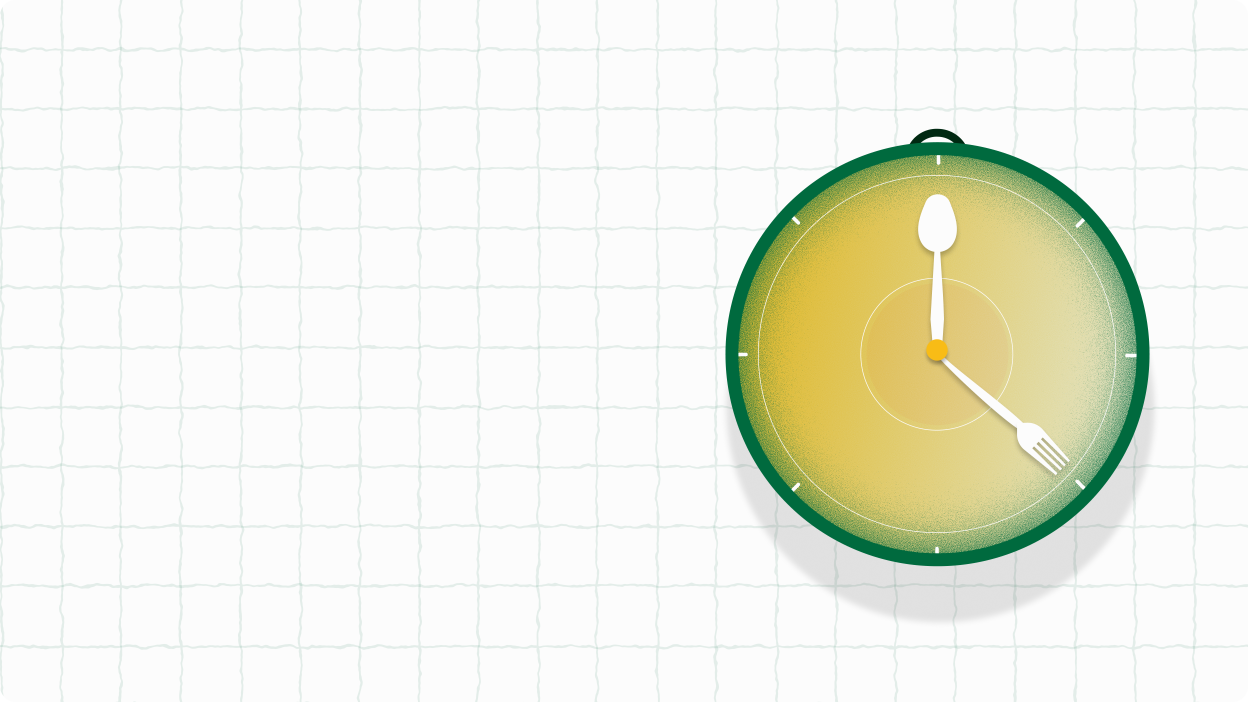
The trouble is, while our calendars are flexible, our bodies aren’t. They run on a strict internal clock – the circadian rhythm – which expects food at regular times. That rumble in your stomach before lunch isn’t just hunger; it’s your body clock saying, “It’s time.”
Chrononutrition and chronodisruption
Most diet advice focuses on what to eat. But the science of chrononutrition asks a different and equally important question: when? Chrononutrition is a field of research that explores how the timing, frequency, and regularity of our meals interact with our internal body clocks.
The principles behind chrononutrition aren’t new. For thousands of years, our genes have been wired for clear cycles of eating and fasting – not constant snacking. But modern life, with its late night work and shift schedules, often ignore this biological blueprint. It may seem insignificant – until you dive into the science and realise how deeply habits and routines influence your body’s internal rhythm.
When our daily patterns clash with this ancient biology, it creates a state of internal conflict known as chronodisruption. Think of it as a permanent case of jet lag for your metabolism. This chronic misalignment is linked to inflammation and a higher risk of conditions like obesity, diabetes, and heart disease. Even your chronotype – whether you’re naturally a morning lark or a night owl plays an important role. Research shows that evening types often face greater metabolic challenges.
Feeding and fasting states
Think of your system as a highly efficient factory with two different shifts: a day shift and a night shift. To understand how timing affects metabolism, let’s look at how the body operates across the day.
- The day shift (feeding window): During the day, when you’re active, your body is primed for business. It expects food and knows exactly what to do with it – using energy immediately and storing the rest for later. This is its ‘storage’ mode. Genes linked to glycogen storage and fat synthesis are most active, working to replenish energy reserves and prepare for the hours ahead.
- The night shift (fasting window): When the day winds down, your body clocks out from digestion and begins its ‘repair’ shift. Instead of processing new deliveries, it focuses on maintenance: repairing cells, breaking down glycogen, burning stored fat, and restoring balance. This is when the body clears out, resets, and gets ready for the next day.
This is why a late-night meal is so disruptive as it interrupts vital repair work, and throws the whole system off schedule.
How unpredictable meal timings confuse your hormones
Your gut relies on a tightly choreographed hormonal dialogue between ghrelin (the hunger hormone) and leptin (the satiety hormone). For a smooth communication, it needs a predictable schedule.
When the schedule is broken, the dialogue is thrown off. Mistimed eating lowers leptin levels, which increases appetite and reduces energy expenditure. The body shifts from ‘burn mode’ to ‘store mode,’ nudged toward weight gain and metabolic dysfunction.
This hormonal shift is why consistency is key. Eating regularly – three balanced meals spaced across the day supports weight regulation, lower LDL cholesterol, stable blood glucose, and reduced cardiovascular risk.
Skipping structured meals or compressing intake into one or two large portions is associated with overeating, higher fasting glucose, reduced glucose tolerance, and even mood disturbances.
Missing meals isn’t the same as fasting. Fasting is intentional and structured; skipping is reactive and erratic. One is a planned pause; the other, a missed cue. The former can support metabolic health, while the latter often leads to poor nutrition, low energy, and unstable blood sugar.
The hormonal ‘on’ and ‘off’ switch
While ghrelin and leptin manage the conversation around appetite, two more powerful hormones act as the overall day and night managers for your entire metabolic system: cortisol and melatonin.
Cortisol is the body’s natural wake-up call- the “on” switch. Its levels peak in the morning, acting as a green light for your metabolism. It doesn’t only wake up your brain; it mobilises your energy reserves, stimulates your appetite, and acts as a conductor, synchronising the individual clocks in all your organs – from your liver to your gut, to ensure they are all running on the same efficient, daytime schedule. This is when nutrient absorption and digestion are at their peak.
As evening approaches and melatonin levels rise, it acts as the ‘off’ switch for digestion. This “sleep hormone” signals that the kitchen is closing for the night. In response, the entire process physically slows down: solid gastric emptying (the rate your stomach empties) is significantly reduced, and the motility of your small intestine and colon decreases. Your body’s ability to handle glucose becomes far less efficient when melatonin enters circulation.
This is why a late-night meal can cause such a metabolic traffic jam. You’re sending food into a system that is not only in low-power mode but is also poorly equipped to manage sugar. It’s a recipe for larger blood sugar spikes and directly interferes with the vital repair work your body is trying to accomplish during its night shift.
The ripple effect of irregular meal timings
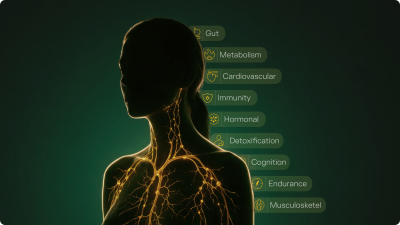
These hormonal shifts don’t act in isolation – they ripple outward, affecting every major system.
The liver, gut, pancreas, brain, and immune system all operate on shared schedules, guided by the body’s internal clock. When eating patterns become erratic, these systems fall out of sync. And because they’re interconnected, disruption in one area can trigger imbalance in others. Over time, this misalignment can strain everything from metabolism to mood.
Metabolism: Impaired glucose tolerance, increased insulin resistance, disrupted lipid metabolism, higher risk of obesity and type 2 diabetes.
Cardiovascular system: Elevated LDL cholesterol, higher fasting glucose, greater risk of hypertension and cardiovascular disease.
Endocrine system: Dysregulation of leptin (satiety) and ghrelin (hunger) hormones, blunted cortisol rhythm, melatonin misalignment affecting glucose control at night.
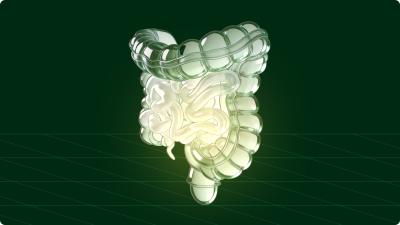
Digestion: Reduced digestion and nutrient absorption efficiency, impaired gastric emptying at night, disrupted gut microbiota rhythm.
Cognition: Lower cognitive performance, reduced alertness, mood disturbances due to inconsistent energy supply.
Immunity: Weakened immune regulation, increased inflammation, impaired cellular repair and recovery processes.
Putting it all into practice
Understanding science is one thing; applying it to a busy life is another. The aim isn’t to follow a stressful, rigid timetable, but to create a gentle rhythm that works with your body, not against it. This involves establishing a consistent pattern around both, when you eat and how frequently you distribute your meals. For example, some findings suggest that eating four or more times a day – compared to just one or two large meals – is linked to lower total and LDL cholesterol and a reduced risk of obesity. Consistently distributing your energy intake helps the body maintain metabolic balance.
Here are three practical ways to align your meal timings and eating habits with your internal clock:
Aim for a consistent eating window: Try to consume all your meals and snacks within a consistent 10 to 12 hour period each day. If your first bite is at 8 a.m., aim to have your last by 8 p.m. This reinforces a clear ‘day shift’ for eating and gives your body a dedicated ‘night shift’ for repair and maintenance.
Front-load your day: Make breakfast and lunch your most substantial meals. Your metabolism and insulin sensitivity are at their peak in the morning and early afternoon. Eating most of your calories earlier ensures the fuel is used efficiently for energy, rather than being sent straight into storage.
Finish your last meal 2 to 3 hours before bed: Give your digestive system a head start on the night shift. Finishing your meal a few hours before sleep prevents the metabolic traffic jam that happens when food arrives after melatonin has already started to power things down. This allows your systems to focus on repair and not digestion, while you sleep.
Ultimately, the goal is to listen to your body’s internal cues. It’s not about perfection, but about consistency.