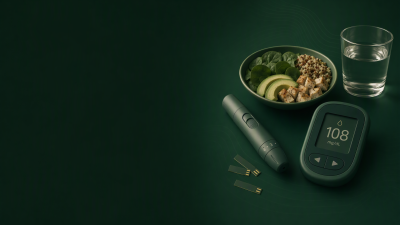

Aarav Shah is 27, newly diagnosed with type 1 diabetes, and sitting down to a dinner he has eaten a hundred times before. Only this time, there is an insulin pen beside his plate. He looks from the food to the instructions, trying to remember what he was told. He wants to get this right, but he would also quite like to eat.
Until this week, he thought diabetes meant less sugar in his tea and being careful around sweets. Now he has questions about the rice on his plate and whether his usual walk after dinner could bring his glucose down too far. It is a lot to take in when all he is trying to do is get through an ordinary evening.
His confusion makes sense. We talk about diabetes so often in terms of sugar that it can be difficult to see what else is happening. In type 1 diabetes, the body is losing a hormone that helps manage how it uses and stores fuel. That reaches into everyday life in ways Aarav is only beginning to understand.
What is type 1 diabetes
Type 1 diabetes is usually caused by the immune system attacking the beta cells in the pancreas. These are the cells that make insulin. The immune system is meant to protect the body from infections, but here it targets part of the body itself. That is what makes type 1 diabetes an autoimmune disease.
As those cells are damaged, insulin production falls. Insulin helps muscle and fat cells take up glucose from the blood and helps the body decide when to use fuel and when to store it. With too little insulin, that coordination starts to break down and blood glucose rises. Once the body can no longer make enough, taking insulin becomes essential for survival.
So the familiar explanation, “high blood sugar because the body does not make enough insulin,” is true. It just starts partway through the story. The immune attack can be underway long before someone feels unwell or notices a change in their glucose. The diagnosis may be new; the process behind it often is not.
And it can happen at any age. Being 27 does not make Aarav too old for type 1 diabetes. Some adults lose insulin production gradually, which can make it easier to mistake for type 2. In type 2 diabetes, the body typically becomes less responsive to insulin and cannot make enough to keep up. Both conditions raise blood glucose, but they usually arrive there through different routes. Someone with type 1 can also develop insulin resistance.
Why insulin does more than lower blood sugar
Your body still needs energy between meals and while you sleep. The liver helps keep it supplied by releasing glucose into the blood. Insulin helps keep that release in check. After a meal, it also helps muscle and fat cells take up glucose and encourages fuel storage. Much of this happens without you having to think about it, until the body can no longer make enough insulin.
Then the usual coordination starts to go wrong. The liver can keep releasing glucose even when there is already too much in the blood, while muscle and fat cells take up less of it. The body also breaks down more fat and protein. This helps explain why someone can be eating normally, or feeling hungrier than usual, and still lose weight. The food is coming in, but the body is struggling to use and store it normally.
There is another consequence of that increased fat breakdown: the liver makes more ketones. With severe insulin deficiency, ketones can build up and make the blood dangerously acidic, causing diabetic ketoacidosis, or DKA. This is a medical emergency. Insulin helps prevent that dangerous build-up as well as lowering blood glucose.
What causes type 1 diabetes
The autoimmune process develops through an interaction between inherited susceptibility and environmental influences. Researchers have not identified one trigger that explains every case. Eating too many sweets does not cause type 1 diabetes.
Some of the strongest genetic associations lie in the HLA region, which helps the immune system recognise what belongs to the body. Variants including DR3-DQ2 and DR4-DQ8 are associated with increased risk, but carrying them does not make the disease inevitable.
Viral exposures and the gut microbiome are being studied, but a risk association is not the same as proving why a particular person developed diabetes. There is no established diet or supplement that reliably prevents autoimmune type 1 diabetes.
Can type 1 diabetes begin before symptoms
Yes. Autoimmunity can be detectable before blood glucose reaches the level used to diagnose clinical diabetes. The staging framework retained in the ADA 2026 Standards of Care describes this progression. It was developed before 2026.
- Stage 1: Two or more confirmed islet autoantibodies, with normal glucose levels and no symptoms.
- Stage 2: Islet autoimmunity with abnormal glucose regulation, below the threshold for clinical diabetes, usually without symptoms.
- Stage 3: Glucose meets the criteria for diabetes. Symptoms are common, but screening can identify this stage before symptoms become obvious.
Autoantibodies are markers of the autoimmune process, rather than a measure of how much insulin someone needs. A positive screening result needs confirmation and specialist interpretation. People with a close relative who has type 1 diabetes can ask their clinician whether screening is appropriate and available locally.
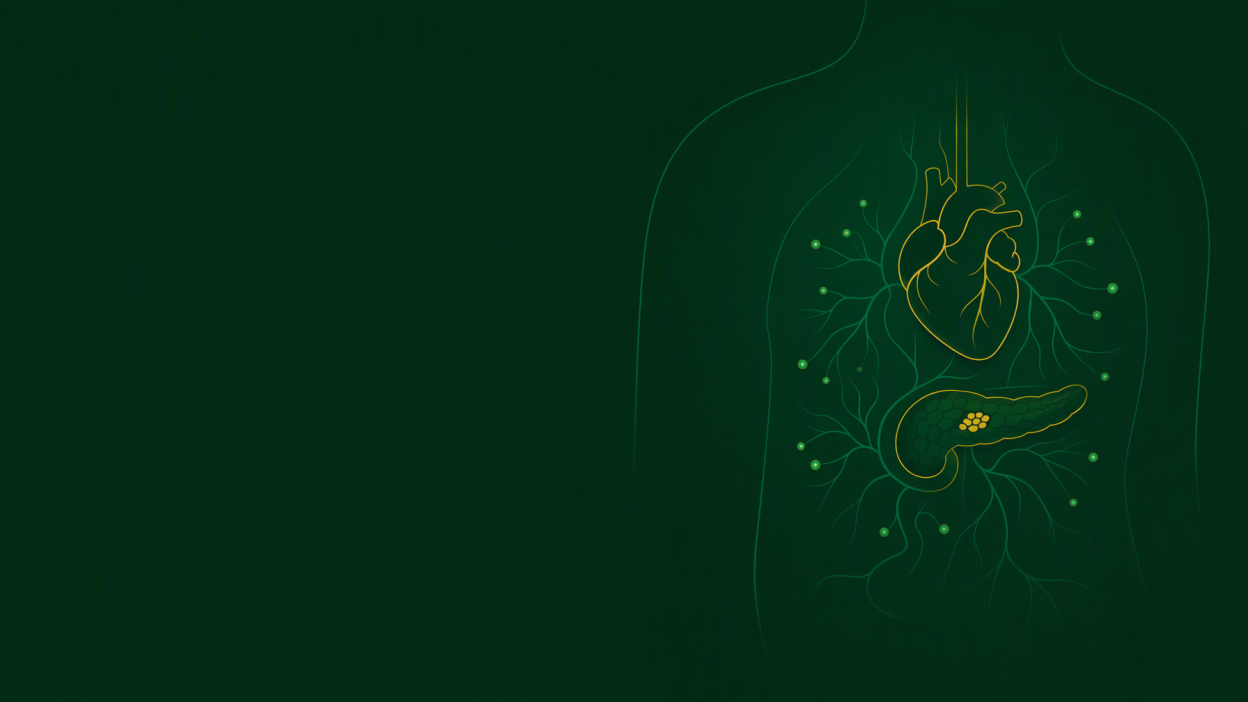
How type 1 diabetes affects the rest of the body blood vessels eyes kidneys and nerves
Over time, sustained high glucose can damage small blood vessels and nerves. This contributes to diabetic retinopathy in the eyes, kidney disease and neuropathy. Cardiovascular risk also matters, which is why blood pressure, cholesterol and smoking history belong in diabetes care. These are risks to monitor and reduce, rather than a forecast of what will happen to everyone. [8, 9]
Good glucose management helps protect these organs. In the landmark DCCT trial, 1,441 people with type 1 diabetes were followed for an average of 6.5 years. Intensive treatment substantially reduced eye, kidney and nerve complications, although severe hypoglycaemia was more frequent. Protecting organs depends in part on managing glucose safely.
Brain function and the work of daily management
Low blood glucose can cause difficulty concentrating, confusion and, when severe, seizures or loss of consciousness. The risk arises when insulin action exceeds what the body needs at that time, for example after changes in food or activity. It is a treatment-related risk, rather than the autoimmune attack spreading into the brain.
The daily work has its own effects. Planning meals, responding to readings and worrying about overnight lows can disrupt sleep and contribute to diabetes distress. Someone can understand their treatment and still feel exhausted by it. That deserves attention alongside their glucose results.
Other autoimmune conditions and the gut
Autoimmune thyroid disease and coeliac disease occur more often in people with type 1 diabetes. They are associated conditions, rather than consequences of eating sugar. Persistent digestive symptoms should be assessed rather than automatically attributed to diabetes or a disturbed microbiome.
Gut research is promising, but its place in care needs precision. A 2026 TEDDY analysis followed 887 genetically susceptible children and found associations between early microbiome development and later type 1 diabetes risk. That does not establish that changing an adult’s microbiome prevents or reverses type 1 diabetes.
Symptoms that need checking
Common type 1 diabetes symptoms include unusual thirst, frequent urination, unexplained weight loss, fatigue and blurred vision. Symptoms often develop over days or weeks, although the course can be slower in adults. Seek prompt medical assessment rather than trying a period of sugar restriction first. [5]
Vomiting, abdominal pain, deep or difficult breathing, fruity-smelling breath or marked drowsiness can indicate DKA. Seek emergency care immediately, especially with high glucose or suspected diabetes. [5]
What looking beyond sugar changes in care
It means making room for more of the person’s health while keeping insulin and safe glucose management at the centre. The plan includes insulin, glucose monitoring, education about food and activity, and clear instructions for illness and low glucose. [12]
HbA1c describes average glucose over roughly two to three months. It cannot show every high or low. When continuous glucose monitoring is available, time in range and time below range add detail about daily patterns. A CGM estimates glucose in the fluid between cells; a finger-prick meter remains important when symptoms and readings do not match or the device advises a check. [3]
Food and exercise plans need to fit ordinary life. Rice, roti and idli contain carbohydrate even when no sugar is added. Learning portions and insulin matching is more practical than treating sweets as the whole problem. Exercise is valuable, but insulin and carbohydrate adjustments may be needed to prevent lows. [15, 16]
In India, a workable plan also has to account for the cost and dependable supply of insulin, monitoring supplies, storage requirements and access to follow-up. Advanced devices may help, but the plan must remain usable when someone is travelling, at work or unable to afford a particular device. ICMR guidance explicitly recognises the need for affordable, locally appropriate care. [12]
For Aarav, the first job is learning how to use insulin safely and eat his dinner with a little less uncertainty. Over time, care also means checking his eyes and kidneys, managing cardiovascular risk and speaking up when the daily work becomes too much.
This is the perspective FOXO brings through its systems biology lens: looking at how different parts of health connect, and how those connections show up in everyday life. In type 1 diabetes, that means keeping glucose in view alongside cardiovascular health, kidney function, sleep and emotional wellbeing. The wider picture helps explain what needs attention alongside the insulin treatment and specialist care the condition requires.
Note: Aarav is an illustrative character, not a patient case report.
Frequently asked questions
Is type 1 diabetes caused by eating sugar?
No. Type 1 diabetes usually develops when the immune system attacks the pancreatic beta cells that make insulin. Eating sweets is not the cause, and avoiding sugar cannot prevent the autoimmune process. After diagnosis, food still matters because carbohydrate affects blood glucose and needs to be coordinated with insulin. Rice, roti and other starchy foods count too; managing the condition involves more than removing sugar from tea or giving up desserts.
Can adults develop type 1 diabetes?
Yes. Type 1 diabetes can begin in childhood, adolescence or adulthood. Some adults develop symptoms quickly, while others lose insulin production more gradually and may initially be diagnosed with type 2 diabetes. A person’s age or body size cannot settle the question on its own. If the diabetes type is uncertain, clinicians may use islet autoantibodies and, where appropriate, C-peptide alongside the symptoms and medical history to clarify the diagnosis.
What is the difference between type 1 and type 2 diabetes?
Type 1 diabetes usually starts with an autoimmune attack that reduces insulin production. Type 2 diabetes typically involves insulin resistance, together with an inability to produce enough insulin to meet the body’s needs. Both can cause high blood glucose and affect long-term health, but their starting mechanisms differ. Taking insulin does not, by itself, mean someone has type 1 diabetes: people with type 2 may also need insulin treatment.
Why does type 1 diabetes cause weight loss?
When insulin is insufficient, the body has difficulty using and storing fuel normally. Fat and protein breakdown increase, while glucose and calories can also be lost in urine. Someone may therefore lose weight even if they are eating normally or feeling hungrier than usual. Unexplained weight loss together with unusual thirst, frequent urination or fatigue needs prompt assessment; it should not be dismissed as a welcome change in weight.
Does everyone with type 1 diabetes develop complications?
No. Type 1 diabetes increases the risk of certain complications, but a diagnosis does not mean that eye, kidney, nerve or heart problems are inevitable. Glucose management can prevent or delay many complications, while blood pressure, cholesterol and smoking also matter. Regular checks help identify changes before symptoms become obvious. Individual risk varies with factors including disease duration and glucose exposure, so follow-up should be based on the person’s health and care plan.
Can a normal HbA1c rule out type 1 diabetes?
No. HbA1c reflects average blood glucose over roughly two to three months; it does not directly measure the autoimmune process. In early-stage type 1 diabetes, autoantibodies may be present while glucose remains normal. HbA1c can also miss the full extent of a recent, rapid rise in glucose. New thirst, frequent urination or unexplained weight loss therefore needs assessment even if an earlier HbA1c result was normal.
Which tests help identify type 1 diabetes?
Blood glucose tests and HbA1c help establish whether someone has diabetes, but do not identify its type on their own. Islet autoantibodies can support an autoimmune diagnosis, while C-peptide helps assess how much insulin the pancreas is producing when classification is uncertain. These results need to be considered alongside symptoms, glucose levels and the clinical course. One negative antibody result or a detectable C-peptide level does not automatically rule out type 1 diabetes.
Can diet or exercise replace insulin?
No. Once substantial insulin deficiency develops, food choices and exercise cannot supply the insulin the body is missing. They remain important parts of care, but need to work with insulin treatment. Physical activity can lower glucose during or after exercise, so a person may need a plan for monitoring, carbohydrate or insulin adjustments. That plan should be developed with the diabetes team rather than stopping insulin or changing doses by guesswork.
Can gut health treatment reverse type 1 diabetes?
There is no established microbiome treatment that reverses type 1 diabetes. Studies have found links between gut microbes, immune development and diabetes risk, particularly in genetically susceptible children. Those findings do not show that probiotics, supplements or restrictive diets can restore insulin production in someone with the condition. Digestive symptoms still deserve assessment, including consideration of associated conditions such as coeliac disease, rather than assuming that a general gut-health programme will address them.
What should I ask after a new diagnosis?
Start with the things you will need to do at home: how to take and store insulin, when to check glucose, how to recognise and treat a low, and what to do during illness. Ask how meals and activity fit your plan, when ketone checks are needed and who to contact if you are unsure. Discuss costs and supplies openly, and leave with a clear follow-up plan. Written instructions can make those first weeks easier to navigate.