
You have been tired all day.
Like, “battery on 2%, low-power mode, do not talk to me” tired. Then you get into bed and suddenly your brain decides this is the perfect time to become CEO of Thoughts.
Now you are replaying a conversation from three years ago, planning your entire future, remembering the email you forgot to send and, for some reason, deciding whether you need a haircut.
Your body: please shut down.
Your brain: absolutely not.
So why are you tired but not sleepy?
Part of the confusion is the word tired. We use it for basically everything.
No energy? Tired.
Brain fried? Tired.
Slept badly? Tired.
Social battery dead? Tired.
The day has simply gone on for too long? Also tired.
But biologically, those things are not all the same.
Fatigue is more like: I am cooked, I have nothing left in the tank.
Sleepiness is more like: I could accidentally fall asleep during this paragraph.
The short answer: You can feel tired but not sleepy because fatigue and sleepiness are different states. Fatigue describes low physical or mental energy, while sleepiness is the increasing tendency to fall asleep. Your sleep pressure, circadian clock, stress, caffeine and other health factors can therefore leave you exhausted while your brain is still maintaining wakefulness.
Let’s understand how this works.
How Can You Be Exhausted but Still Awake?
Being exhausted does not automatically switch sleep on.
Your brain is balancing at least two major biological processes.
Sleep pressure is the biological pressure to sleep that generally increases the longer you stay awake. Sleep researchers call this Process S. It builds the longer you stay awake. Adenosine is one of the molecules involved in this process, accumulating during wakefulness and contributing to the increasing pressure to sleep.
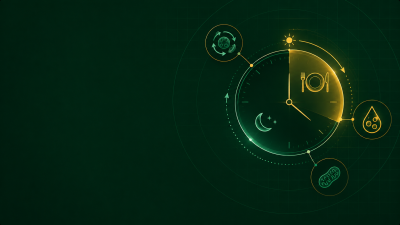
The second is your circadian clock, or Process C. Your circadian clock is an internal timing system that runs on a roughly 24-hour rhythm and helps determine when your brain promotes alertness and when sleep becomes easier.
Here is where things get mildly inconvenient.
The two can disagree.
By late evening, you may have been awake for 15 or 16 hours. So your sleep pressure is high. You are tired, your concentration is gone, and your body is very ready for the day to end.
But your circadian clock has its own schedule.
At certain times, especially in the early evening, it can still be sending out a strong stay-awake signal. The body clock is still in a part of the day where it expects you to be awake.
That is why you can feel exhausted at 8 pm, somehow become more alert again at 10 pm, and then lie in bed wondering where the sleepiness went.
Sleep researchers call this period the wake maintenance zone. The wake maintenance zone is a period, usually in the evening, when your circadian clock can help you stay alert even though sleep pressure has been building all day.
So when we say the circadian system can “push against” sleep pressure, we do not mean it removes your tiredness. It just keeps the brain alert enough that the tiredness does not automatically turn into sleep.
You are still tired. You are just not sleepy yet.
Common Causes of Feeling Tired but Not Sleepy
Sometimes the issue is your body clock. Sometimes it is stress. Sometimes caffeine is still very much on duty. Sometimes the tiredness itself has little to do with sleep.
| What might be going on | What it can look like |
| Your body clock is running later | You are exhausted after the day but become more alert again at night. |
| Stress or hyperarousal | Your body wants rest but your thoughts keep running, particularly once everything gets quiet. |
| Caffeine or other stimulants | You feel depleted, but the normal build-up of sleepiness is being partially blocked. |
| Poor-quality or insufficient sleep | You have technically slept, but wake unrefreshed or spend the day running on a sleep deficit. |
| Irregular sleep timing | Weekdays, weekends, late nights and early starts keep pulling your clock in different directions. |
| Something else is causing the fatigue | Iron deficiency, anaemia, thyroid problems, certain medications, mental health conditions and other illnesses can all contribute to persistent fatigue. |
The important word here is pattern.
Being tired but awake after one chaotic week is different from feeling this way for three months.
Sometimes You Are Tired. Your Body Clock Just Isn’t Ready for Bed.
Not everyone gets sleepy at the same time.
You probably know this already from real life. There is always one person who is ready for bed at 10 pm, and another who suddenly becomes their most productive self at midnight.
Part of that difference comes down to chronotype – your body’s natural preference for sleeping and waking earlier or later.
Some people run early. They wake up easily, feel sharper in the morning and start getting sleepy earlier in the evening.
Others run later. Mornings feel unnecessarily hostile, but they become much more alert as the day goes on and may not feel properly sleepy until much later at night.
Neither automatically means something is wrong. The problem starts when your body clock and your actual life are working on different schedules. Say you need to wake up at 6:30 am because work starts at 9. Your body, left to itself, would probably sleep until 8.
But the alarm wins.
You get through work, traffic, dinner, messages, whatever is happening at home. By 10 pm, you are exhausted. So you get into bed thinking: Surely I will pass out immediately.
And then nothing.
You are tired, but your internal clock is still running later. It has not reached the point where it strongly expects sleep yet. Social jetlag is the mismatch between the sleep timing your biological clock prefers and the timing your work or social schedule requires.
Think of it like regular jetlag without the flight. Your work schedule says one time. Your body clock says another. You spend the week trying to make the two cooperate.
This does not mean every person who enjoys staying up late has a circadian disorder. And it definitely does not mean the answer is to sleep at 2 am when you have a 6:30 alarm waiting.
It means sleep is partly a timing problem, not simply a discipline problem.
Which is why forcing yourself into bed earlier does not always work.
You can turn off the lights at 10 pm, put your phone away and behave like an extremely responsible sleeper. But if your internal clock is still running on midnight, your body does not suddenly move two hours earlier just because you have decided it should.
That clock has to shift too.
Your Phone Is Part of the Problem. Just Not for the Reason You Think.
We have all heard the rule: stop using your phone before bed because blue light ruins sleep.
There is some truth in it. But the phone is not carrying a tiny anti-sleep laser. The bigger story is light and timing.
Your brain is constantly trying to work out what time of day it is. And one of the main ways it does that is through light entering your eyes. Specialised cells in the retina detect light and send that information to the suprachiasmatic nucleus, or SCN – the brain’s central circadian clock.
Bright light tells the brain, broadly: it is daytime, stay alert.
Darkness tells it: the day is winding down. Start preparing for night.
As evening gets darker, melatonin normally begins to rise. Melatonin is one of the signals that tells the body biological night has begun.
Now put a bright screen six inches from your face at 11:30 pm.
Blue-enriched light is particularly effective at stimulating the cells involved in this clock-setting system. The effect depends on when the light arrives, how bright it is, how long you are exposed to it and its spectrum, which is why “blue light ruins sleep” is too simple an explanation.
So enough evening light can delay the rise of melatonin and shift your body clock later.
Now it is 12:30 am – and you’re still awake.
There is another part we talk about much less: what happens before sunset matters too.
If you spend most of the day inside an office under relatively dim indoor lighting, then spend the evening under bright lights and screens, your brain receives a fairly confusing signal.
Dim day. Bright night.
Not ideal if you are trying to keep a strong distinction between daytime and night-time.
That is why getting proper daylight during the day matters as much as making the evening darker.
Diet, Hydration, Caffeine and Physical Activity
These all affect energy and sleep. The question is what each one is actually doing.
Caffeine does not remove sleep pressure.
Remember adenosine, the molecule involved in building sleep pressure through the day? Caffeine blocks the receptors adenosine normally acts on. Think of caffeine as turning down the volume on the “you need sleep” signal.
The adenosine has not disappeared. Your need for sleep has not disappeared. Your brain is just feeling less of that pressure for a while.
Which is why you can be genuinely exhausted, drink coffee and suddenly feel functional again. Functional is not the same as rested.
“Coffee doesn’t affect me. I can drink it at night and still sleep.” is not always the flex it sounds like.
In a small 2025 randomised crossover trial of 23 healthy men, 100 mg of caffeine taken four hours before bed did not significantly alter measured sleep, while a 400 mg dose disrupted sleep even when taken 12 hours before bedtime. Not everyone needs a 12-hour caffeine cut-off. Dose matters too.
A small chai and a large cold coffee are not the same caffeine exposure. Neither is a cup of coffee versus a scoop of pre-workout.
So count the whole day.
Morning coffee. Afternoon chai. Cola with lunch. Chocolate. Energy drinks. Pre-workout. That 5 pm coffee may not be working alone.
Diet can affect fatigue. One dessert probably did not break your sleep.
Did you eat enough during the day?
Did lunch happen at 4 pm because meetings took over?
Did you survive on coffee until evening and then eat your largest meal just before bed?
Have you been unusually fatigued for weeks rather than simply having one bad day?
The first few are about how you are fuelling the day. The last question is different.
If the fatigue has been hanging around for weeks, then food becomes less about what did I eat today? and more about is something actually missing?
Low iron stores are one example. In some people, low iron stores can contribute to fatigue even when haemoglobin is not low enough to meet the definition of anaemia. This is particularly worth thinking about if you have heavy periods, eat very little iron-rich food, or have previously been told your ferritin is low.
And iron is not the only possibility. Vitamin B12 and folate deficiency can also contribute to fatigue in the right context.
That is something to investigate properly.
Hydration matters
It is 36°C outside. You have travelled across the city, sat through six hours of air-conditioning, had two coffees and realise at 5 pm that you have barely had any water.
Even relatively mild dehydration can contribute to fatigue, headache, poor concentration and that vague feeling of everything requiring slightly more effort than it should.
If you have been sweating, exercising, travelling in the heat or simply have not drunk enough, replacing the fluid you have lost makes sense.
But there is a limit to the logic.
Water is not an energy drink.
If you are already well hydrated, upgrading from a one-litre bottle to a giant bottle with motivational time stamps is unlikely to explain persistent fatigue.
Fix dehydration when dehydration is the problem.
Then keep looking if you are still tired.
Movement Can Help Fatigue and Sleep. Just Not Overnight.
Across randomised studies, people who exercised regularly tended to report less fatigue and more energy over time. Regular exercise has also been shown to improve how people rate their sleep quality.
There may be a timing effect too. Physical activity is one of the signals the body can use to organise its sleep-wake rhythm, although light is a much stronger circadian cue. Which makes something as basic as a daytime walk surprisingly beneficiall: you move, and if you do it outside, you get daylight at the same time.
Two jobs. One walk.
And if normal amounts of activity suddenly feel disproportionately hard, or consistently leave you much worse afterwards, that is a different kind of fatigue and worth looking into ather than trying to push through it.
Practical Things to Try When You Are Tired but Not Sleepy
By this point, the temptation is to fix everything at once.
Earlier bedtime. No phone. No coffee. New supplement. Morning walk. Magnesium. Meditation. Maybe a sleep tracker for emotional support.
Don’t.
You will change eight things and have absolutely no idea which one mattered.
Start with what your pattern is actually telling you.
1. First, figure out what you mean by tired.
Are you struggling to keep your eyes open?
Or are you mentally and physically finished but still very much awake?
That distinction sounds small, but it changes where you look next.
2. Look at the whole day, not just the hour before bed.
What time did you wake up?
Did you get outside at all?
When was your last coffee or chai?
Did you nap?
Did lunch happen at lunch, or at 4:30 pm between calls?
Did work actually end, or did the laptop simply migrate to the sofa?
The sleep problem may be showing up at 11 pm.
The thing feeding it may have happened much earlier.
3. Check the boring maths.
If your alarm goes off at 6:30 am and you routinely get into bed after midnight, start there.
No amount of blue-light glasses can negotiate with arithmetic.
You need enough actual time available for sleep before deciding that your body has forgotten how to do it.
4. If your timing feels late, give your clock a clearer morning.
Set a wake time you can maintain comfortably, and get daylight after you wake.
Getting into bed earlier does not guarantee you will fall asleep earlier. Giving your body clock a more consistent start to the day can help the timing settle across several days.
5. If caffeine is involved, test it
Look at how much you are having and when.
Then move the later caffeine earlier for a few days and see what happens. You do not need to dramatically break up with coffee before you have established whether coffee is actually the problem.
6. Make the evening feel like the day has ended.
Not in a “put your phone away”.
If you are answering work messages at 11:15, eating dinner while finishing a deck and then moving directly from laptop to bed, your brain has had very little transition between doing and sleeping.
Less light can help. So can less work, less stimulation and simply creating a visible end to the day.
Your bedroom does not need to become a spa, your Tuesday just needs to eventually finish.
7. Change one thing at a time.
If the obvious issue is late caffeine, start there.
If your sleep schedule shifts by three hours every weekend, start there.
If you barely see daylight, start there.
You are trying to identify which variable is actually moving the pattern.
“Tired” is just a very broad word for several different things happening inside the body.
But if the fatigue keeps showing up, night after night and week after week, that deserves a different question.
So the next time your body is on 2% and your brain is somehow still open for business, don’t only ask:
How do I make myself sleep?
Ask:
Why am I this tired? And what is still keeping me awake?
They sound like the same question.
They aren’t.
And that difference is pretty much the whole point.
FAQs
Why am I tired but not sleepy?
Because fatigue and sleepiness are not the same thing. Fatigue is the feeling of low physical or mental energy. Sleepiness is your tendency to actually fall asleep. Your sleep pressure, body clock, stress levels, caffeine intake and other health factors can therefore leave you exhausted without making you particularly sleepy.
Why can’t I sleep even though I’m exhausted?
Being exhausted does not automatically switch sleep on. Your circadian clock may still be promoting alertness, stress may be keeping your brain activated, caffeine may still be affecting you, or your sleep timing may have shifted later than the bedtime you are trying to follow.
Why do I feel tired at 8 pm and then wide awake later?
One possible explanation is the wake maintenance zone. In the evening, your circadian clock can temporarily send a stronger stay-awake signal even though sleep pressure has been building all day. You have not suddenly become rested. Your brain is simply maintaining alertness for a little longer.
What is the difference between being tired and being sleepy?
Think of tired as “I don’t have much left in me.”
Sleepy is “staying awake is becoming difficult.”
You can feel physically heavy, mentally drained and completely over the day while still being quite capable of staying awake.
Can stress make you tired but unable to sleep?
Yes. Stress can be exhausting while also keeping the brain and body in a more alert state. This is one reason people can spend the entire day feeling depleted and then find that their thoughts become particularly loud the moment everything gets quiet.
Can caffeine keep me awake even when I feel tired?
Yes. Caffeine partly blocks the receptors that adenosine, one of the signals involved in building sleep pressure, acts on. It does not remove your need for sleep. It can simply make that pressure less noticeable for a while.
And remember, caffeine is not just coffee. Chai, cola, energy drinks, chocolate and pre-workout can all add to the day’s total.
Does blue light really make it harder to sleep?
It can, particularly when bright or blue-enriched light arrives late in the evening. Light helps your circadian clock work out what time of day it is and can influence the timing of melatonin.
But the problem with screens is not only blue light. What you are doing on the screen can keep you awake too. Messages, work, videos and scrolling can simply extend the day long after you intended it to end.
Why am I still tired after sleeping for eight hours?
Because eight hours tells you how long you slept, not necessarily how restorative that sleep was.
Interrupted sleep, insomnia, sleep apnoea, circadian misalignment, stress, medications and some medical conditions can all leave you fatigued despite apparently getting enough hours.
And sleep need is not identical for everyone, so eight is not a magic number.
Can low iron make you tired even if you are not anaemic?
It can in some people. Research in non-anaemic menstruating women with low or borderline iron stores has found improvements in fatigue after iron treatment.
That does not mean unexplained tiredness should automatically be treated with iron. Ferritin and other relevant markers should be assessed in context, particularly if you have heavy periods, low iron intake or a previous history of low iron.
Can dehydration make you tired?
Yes. Dehydration can contribute to fatigue, headache and difficulty concentrating, particularly after heat exposure, exercise or simply not drinking enough.
But correcting dehydration helps when dehydration is actually part of the problem. Drinking increasingly heroic quantities of water is not a treatment for unexplained fatigue.
Does exercise help with tiredness and sleep?
Regular physical activity can modestly improve perceived fatigue, energy and sleep quality over time. The effect is not usually “exercise today, sleep perfectly tonight”.
Even something as simple as a daytime walk can combine movement with daylight, which gives your circadian system a daytime signal.
When should I speak to a doctor about persistent fatigue?
If fatigue has lasted for several weeks, is getting worse, is affecting work or normal daily activities, or continues despite giving yourself enough opportunity to sleep, it is worth getting assessed.
Persistent fatigue can have many causes, including sleep disorders, iron deficiency or anaemia, thyroid problems, some medications and mental health conditions. The point is not to diagnose yourself from the list. It is to recognise when another bedtime hack is probably not the next step.